BIOTECHNOLOGICAL AND ENVIRONMENTAL EDUCATION POTENTIAL OF Inga edulis Martius: SEED COLLECTED IN THE AMAZON - BRAZIL
Potential of Inga edulis seeds

Article highlights
- Inga edulis offer potential for biotechnological and environmental applications.
- High protein and carbohydrate content in seeds support diverse agro-industrial uses.
- edulis seeds enhance environmental education via forest nurseries schools.
- Biotechnological potential of I. edulis seeds extends to ecosystem services.
Abstract
Inga edulis Martius is a native species of the Amazon Forest with great potential for urban afforestation in the cities of the Brazilian Amazon and widely used for the recovery of degraded areas. It is commonly cultivated by the Amazonian population for its edible fruit, quality wood, and excellent agroforestry components. This study aimed to select the matrices and obtain information about the behavior of the seeds in terms of drying, biometry, purity and germination, and chemical composition. The seeds collected in the environmental education action were recognized about potentialities of use for biotechnological products and environmental protection. The seed exploitation of this species is attractive due to its composition (protein and carbohydrates) and forest integration. I. edulis seedlings in the schools contribute to environmental education as a sustainable practice with biotechnological potential for the Amazon region.
INTRODUCTION
The Brazilian fruit industry holds a prominent position nationally and internationally, owing to the country's vast variety of exotic species. In Brazil, only a few native fruit species have commercial significance, with some having regional or local importance. In contrast, many unexplored or underexplored species possess potential importance and can pose a challenge to sustainable commercialization (, 2019). The Ingá-cipó (Inga edulis), belonging to the Fabaceae family, is a tree species also known as Angá, Ingá, Ingá-comum, Ingá-de-macaco, Ingá-de-metro, Ingá-doce, Ingá-macarrão, Ingá-rabo-de-mico, Ingá-timbó, Ingá-vermelho, Ingá-verdadeiro, and Ingazeiro (Cruz, 2021).
In Brazil, I. edulis is found in the states of Acre, Amazonas, Amapá, Bahia, Espírito Santo, Mato Grosso, Minas Gerais, Pará, Paraná, Paraíba, Pernambuco, Rio de Janeiro, Rondônia, Roraima, Santa Catarina, and São Paulo (Group, 2021). It can also be found in Peru (, 2020), Ecuador (Abril-Saltos et al., 2018), Argentina (Correa et al., 2021), and others. This species can be found in almost all Central and South American countries, occurring in nearly all regions of Brazil, providing ecosystem services and attracting floral visitors. Additionally, I. edulis contains bioactive compounds with antioxidant and antiproliferative activities (, 2016); (Lima et al., 2020). According to (Lima et al., 2017) and (Gomes et al., 2023), the I. edulis is of medium to tall stature, with rapid growth, reaching heights of 15-20 m in open areas and up to 40 m in the forest. The flowering and fruiting stage start at three years of age in open areas. The inflorescences are axillary, sometimes terminal, grouped, with 4 to 5 spikes in the leaf axils. The flowers are white, attractive, and fragrant. The fruit is a long pod of variable size, indehiscent, green, cylindrical, thick, with multiple longitudinal sutures, and can reach up to 2-m long. Seeds of I. edulis are black, with a variable number per fruit, ellipsoid in shape, smooth and glabrous, measuring 2-3 cm in length and 1-1.5 cm in width, covered with a white, soft, fibrous, fluffy, succulent, sweet, and edible aril. I. edulis aged 3-4 years can produce 20,000 to 100,000 flowers and 200 to 800 fruits. One of the most important characteristics of this species is its ability to tolerate acidic soils.
According to (Urruth et al., 2022), the need for tropical forest conservation and the strengthening of environmental policies to mitigate anthropogenic land use promote a need for environmental management with native species. Therefore, there is a need for high-quality seeds and seedlings. Desiccation tolerance is one of the most essential properties of the seeds of I. edulis. Desiccation tolerance is a necessary phenomenon in the plant's life cycle and serves as an adaptation strategy that ensures seed survival during storage under stressful environmental conditions, thus ensuring species dissemination.
Regarding flowers, Inga species and Amazonian legumes, in general, are practically unexplored in characterizing volatile compounds, which are important for pollinating fragrance (Marinho et al., 2014) and their biological activities. This feature potentially opens doors for biotechnological exploration. Similarly, the leaves of I. edulis Martius can also be used due to biological activity of their composition, such as anti-inflammatory properties. Polyphenols have this effect and can also be associated with treating cardiovascular, neurodegenerative, and cancer-related diseases (Silva et al., 2007). Results from more than 15 years of research have already identified gallic acid, catechins, quercetins, and other phenolic compounds in I. edulis leaves, as well as flavonoids in the roots (ALdS et al., 2010).
Due to its native status and benefits to the ecosystem, the I. edulis tree is suitable for reforestation and restoration of degraded areas impacted by various human activities in its native regions, such as the Amazon (Martins et al., 2022). Consequently, it is understood that this species is important. Among the potential uses in its natural habitat, the flowers, leaves, and seeds of I. edulis can be investigated to develop new products. Therefore, there is a search to recognize the potential use of seeds for developing bioproducts or biofuels based on their composition and variability and the potentials described in the literature for the seeds of this species or similar ones.
Producing a species with high seed productivity and natives to a region incentivizes agro-industrial exploration (Rodrigues et al., 2021). This approach avoids the introduction of exotic species to produce food or bioinputs and diversifies products, creating new market opportunities. Promoting the planting of species like I. edulis in the Amazon region is essential for biodiversity conservation, ensuring ecosystems' healthy functioning and local communities' well-being. This approach also prevents agricultural movements from introducing exotic species associated with ecological imbalance.
The Inga tree is a species that thrives in Brazil and can have low production costs, integrated with forest conservation. It warrants a study of the biotechnological potential and utilization of its seeds for homogeneous batches for commercial-scale production (Rodrigues et al., 2021). Incorporating I. edulis into agroforestry systems can increase agricultural biodiversity and improve the resilience of productive systems. This contributes to food security and agriculture sustainability (Kittur et al., 2024). Additionally, I. edulis can act as a shade tree for coffee cultivation, leading to higher productivity and contributing to carbon stocks (Solis et al., 2020), assisting in soil recovery, and helping to maintain local biodiversity (Domínguez-Núñez, 2022).
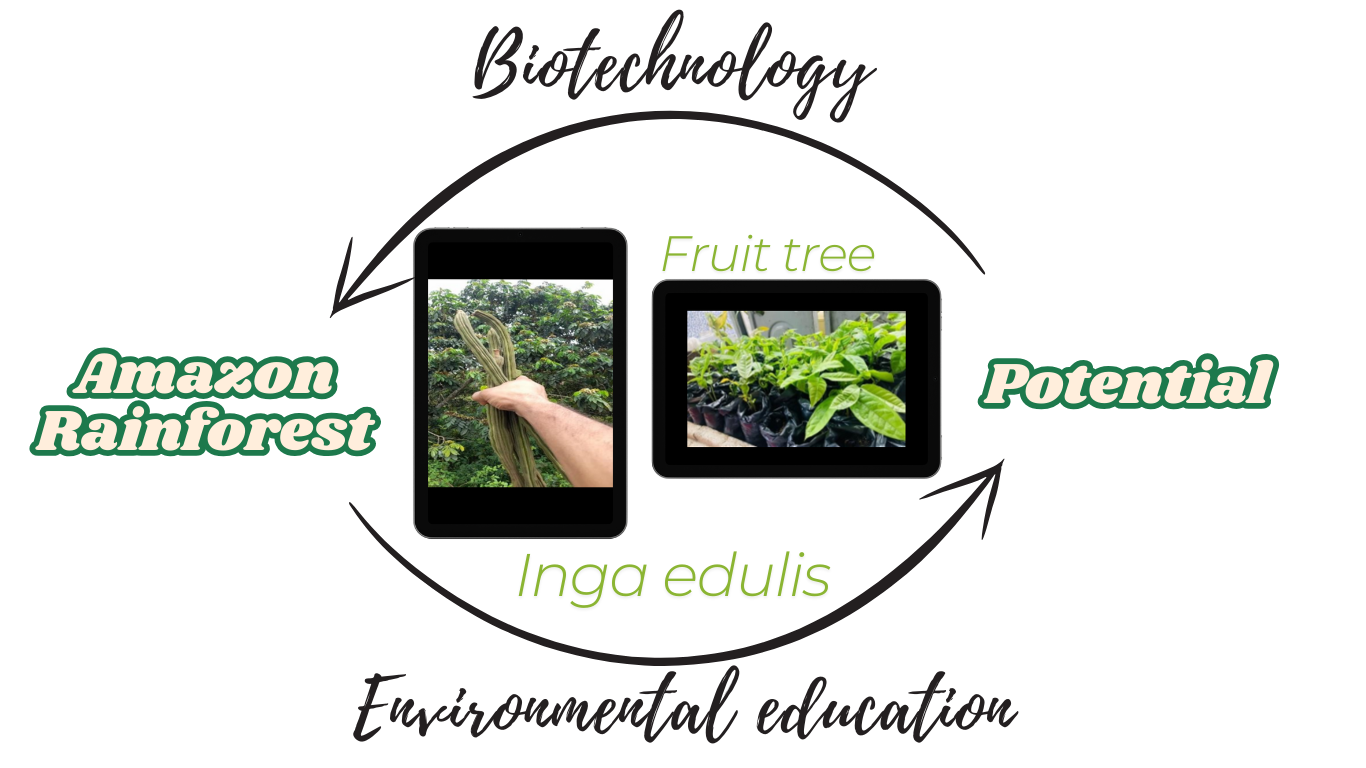
Figure 1.Research diagram of I. edulis exploitation to biotechnological and environmental
Likewise, there is a recognition of the potential for seedling production to encourage the establishment of forest nurseries in schools, promoting environmental education and reforestation with a native species of exploitable biotechnological potential integrated with the environment.
MATERIALS AND METHODS
The research was conducted according to a diagram presented in Figure 1. Samples from five different matrices were separated, with 50 seeds (ten seeds from each matrix) used for characterization. These seeds underwent procedures for biometric observation (drying, weighing, and measuring), moisture content determination, and purity analysis. Some collected and analyzed seeds were stored and preserved in a dry chamber to form germplasms in the Plant Germplasm Bank of the Federal Institute of Amazonas (IFAM).
Analyses were conducted to identify the seed composition's main inorganic and organic components. Selected seeds were planted to produce seedlings. These seedlings were donated or used to establish an experimental forest nursery at the school. The formation of the plant germplasm bank and the establishment of the nursery contributed to the teaching and learning process, aiming to contextualize and assimilate the potential of the species under study.
Seed Sampling and Treatment
Fruits from five different matrices were collected in the first semester of 2022 according to the coordinates shown in the map (Figure 2). The collection method involved manual and ladder-assisted techniques, as some matrices were large. Students from two schools involved in the research participated in this stage.
Seeds were extracted from the fruits manually. Subsequently, the pulp surrounding the seeds was removed, and the seeds were washed under running water. Then, the seeds were placed on cotton fabric and stored individually in a cold chamber (5-7 °C) until biometric measurements were taken.
Figure 2.Location map of the collected I. edulis matrices
In the first biometric assessment, the seeds were weighed with their impurities. They were then sun-dried for 8 hours to 12 hours and reweighed. Afterward, they were dried in a laboratory oven at 40-45 °C for 60 minutes. Their size was measured using calipers and a measuring tape. The flesh was removed after submerging the fruits in water for 12 hours to 24 hours. The softened pulp was macerated and separated through a sieve. The seeds, still in the sieve, were washed under running water.
In a water tank, residual materials, empty and deteriorated seeds floating, and fruit remnants were removed through flotation, while seeds in good condition sank. After this process, the seeds were ready for drying (, 2006). Seeds were stored in a dry chamber to preserve and form the germplasm bank. Seeds with fungi during this storage stage were discarded.
The purity level (P) was calculated for batches of 50 seeds and presented in relation to viable seeds (%). The moisture content (%) of the 50 seeds was calculated in relation to moisture loss in an oven.
Physiological analysis of the seeds was carried out using a binocular microscope (Physis) to observe the structure, consisting of Internal Seed Coat, External Seed Coat, Hilum, Hypocotyl, Embryonic Region, Endosperm, and Radicle. The seeds were also assessed using a UVB Transilluminator (Loccus do Brasil, LTB-20X20 STi).
Chemical Analysis of Seeds
Representative seed samples from five matrices (M1 to M5), stored in a dry chamber, were ground in a knife mill and analyzed for inorganic composition, macro and micronutrients, structural composition of carbohydrates, and elemental analysis of C and N.
The inorganic composition was determined based on ash content obtained by using gravimetry method conducted in a muffle furnace at 575 °C for 12 hours (, 2020). The ash content (%) was reported based on dry biomass.
Inorganic macro and micronutrient contents in the ground dried seeds (mixed matrices) were determined using Inductively Coupled Plasma-Optical Emission Spectroscopy (ICP-OES/Perkin Elmer, Optima 8300 model). Carbohydrate content and the monosaccharide profile were determined using the concentrated acid hydrolysis method recommended by the National Renewable Energy Laboratory of the United States (NREL-USA) (Sluiter et al., 2010). Weighed samples were treated with 72% H2SO4 solution (4%, v:v) and autoclaved for one hour, followed by the analysis of monosaccharide composition in the hydrolysate using High-Performance Liquid Chromatography (HPLC/Shimadzu, QP2010 plus). An Elemental Analyzer (Flash EA1112, Thermo Electron Corporation, Milan, Italy) was used to determine the elemental composition of C and N. Protein content was calculated by multiplying the N (%) by a factor of 6.25.
Establishment of the Experimental Forest Nurseries
The Experimental Forest Nurseries were established at two schools. The first occurred at CETI (Centro Educacional de Tempo Integral) Áurea Pinheiro Braga, located on Brasil Avenue, s/n – Compensa III, CEP: 69036-660, Manaus/AM (geographical coordinates: 3.0932137,-60.0596746,15). The second school was IV CMPM (Colégio da Polícia Militar), located on Açaizeiros Avenue, s/n – Gilberto Mestrinho, CEP: 69086-485, Manaus/AM (geographical coordinates: -3.0756539,-59.9277989,15).
At both schools, participating students were between 10 and 17 years old. Activities included presenting aspects of the cultivation of I. edulis, its main characteristics, seed storage conditions, seedling preparation, planting, transportation, and seedling donation.
Statistical Analysis
The experimental results of the physical evaluation of seeds were obtained in at least three replicates and analyzed for variance (ANOVA) with a confidence level of 95% using GraphPad Prism 10.3.1 software. Differences among the data means were tested using Tukey’s multiple test.
Prospects for Biotechnological Utilization of I. edulis
A bibliometric analysis was conducted to assess the biotechnological potential of I. edulis seeds. A discussion was held based on experimental results and the potential of similar seeds found in the literature. The bibliometric analysis was conducted based on documents selected from the databases available in the Capes Journals Portal for the last five years. For some terms, it was necessary to investigate documents from the last 20 years. The documents were analyzed using Vosviewer 1.6.18 software. The bibliometric search was conducted using the terms: "Inga," “Inga edulis,” “seed,” “sugar,” "antioxidant,” and “carbohydrate."
RESULTS AND DISCUSSION
Seed Quality
Seed quality is an essential factor in recognizing its potential utilization. Seeds not viable for germination are also seeds with low utilization potential. On average, the purity level of the seeds was 42.5±11.72% (Table 1). This information is also crucial for establishing experimental nurseries in schools in the Amazon region, as it is the viable seeds that students would be planting. The moisture content parameter of seeds in this research was higher than 46%, consistent with (Rodrigues et al., 2021), indicating that the seeds had a high water content.
| Parameters | M1 | M2 | M3 | M4 | M5 |
|---|---|---|---|---|---|
| Width (cm) | 0.87±0.08a | 0.96±0.1b | 0.99±0.12c | 1.27±0.18d | 1.12±0.18e |
| Length (cm) | 3.67±0.16a | 4.1±0.49b | 3.79±0.24a | 4.54±0.17b | 4.1±0.32b |
| Diameter (cm) | 3.9±0.13a | 4.37±0.33b | 4.54±0.42b | 5.84±0.42c | 4.51±0.32b |
| Purity (%) | 53.80±12.73a | 39.63±8.80b | 37.52±9.33b | 39.89±16.77b | 41.67±10.99b |
| Moisture content (%) | 46.20 | 60.37 | 62.48 | 60.11 | 58.33 |
After analyzing the physiology and morphology of seeds from five matrices, a portion of viable seeds was sent for seedlings production. Despite the first matrix showing higher purity and lower physiological water loss (P < 0.05), it was found that the fourth matrix (M4) yielded the best results in terms of formation and potential use as seed plantation. According to (Mata, 2009) and (Santos et al., 2016), germination is associated with morphological and physiological changes that occur during seed maturation. Seed vigor, which is crucial for successful seedling emergence, is influenced by seed size; thus, larger seeds generally exhibit greater vigor.
Seed germination allowed for identifying structures, such as endosperm, embryo, hilum, hypocotyl, cotyledon, and radicle. Seeds collected in this research exhibited the necessary structures for proper functioning, growth, and development during germination and seedlings production. Subsequently, these seedlings were cultivated and donated to establish experimental forest nurseries in schools in the Amazon region.
Establishment of Experimental Nurseries
In the activities carried out in schools in the Amazon region, students observed the time of root protrusion and seedling formation. Most of the seeds germinated within three days, and there were differences among the matrices. Despite having higher purity, even the Matrix 1 was not recommended for planting. Matrix 4 contributed to most of the seedlings as it produced more seeds with complete structures.
In addition to learning about seedling and preservation, students also learned how to prepare substrate for seedling production in 1-kg bags using a special substrate (NPK and limestone or chicken manure and burnt rice husk). Subsequently, this special substrate was mixed with vermiculite – a mineral that retains water in the substrate and aids in aeration. A drainage layer was added to the bottom of the bags using the husks from the fruits of I. edulis. The produced seedlings are shown in Figure 3.
Figure 3.Seedlings of Inga edulis Martius
Seed Analysis for the Assessment of Biotechnological Potential
Inorganic Composition
The ash content was determined to assess the inorganic composition. Ash in a plant sample is the inorganic residue from the combustion of organic matter lost through volatilization or combustion (MdC et al., 2004). The ash content of I. edulis ranged from 28.3% to 32.3%, with an average of 29.58±1.60%. It showed lower values than the same species (44%) from another region, as reported by (Aguiar, 2021).
In the analysis of macro and micronutrients in biomass, it was observed that there were elements that serve as nutrients for both human and animal consumption. The main elements found in I. edulis seeds as well as Ni, Cd, Na, Pb, and Si were also analyzed, and no concentrations above the detection limit were found (Table 2).
The elements contained in the seeds are relevant for nutrient replenishment in the soil, either naturally or through the formulation of biotechnological products. I. edulis is among the species of nitrogen-fixing trees and may even have the ability to enhance the production of neighboring trees (Nichols & Carpenter, 2006).
The elements analyzed are present in various seeds of Amazonian fruit trees. However, their concentrations vary according to the species and edaphoclimatic conditions. In the case of I. edulis seeds, the values observed across the five matrices indicated a potential for these seeds to be utilized in biotechnological applications, owing to the presence of these elements in their biomass. Nitrogen, phosphorus, potassium, calcium, magnesium, sulfur, and the micronutrients boron, copper, iron, manganese, zinc, and molybdenum are essential for metabolism and are crucial in the tissue composition in organisms that contribute to biomass growth (Andrews et al., 2023). These trace elements can be particularly important in processes involving microorganisms, such as anaerobic digestion, where molybdenum, nickel, and iron may be vital for maintaining process stability and influencing biogas production (Yu et al., 2016).
Another example of the importance of Inga seeds biomass composition lies in their potential as a biofertilizer. Plants, like rapeseed (Eggert & Wirén, 2016), require these elements, as these nutrients can affect the behavior of microorganisms, enzymatic activities, and metabolic byproducts (Soltan et al., 2019).
| Elements | Unity | Values | Elements | Unity | Values |
|---|---|---|---|---|---|
| Nitrogen | g/kg | 20.40 | Boron | mg/kg | 5.48 |
| Phosphorus | g/kg | 1.71 | Copper | mg/kg | 9.72 |
| Potassium | g/kg | 8.67 | Iron | mg/kg | 47.61 |
| Calcium | g/kg | 3.01 | Manganese | mg/kg | 32.90 |
| Magnesium | g/kg | 1.39 | Zinc | mg/kg | 35.14 |
| Sulfur | g/kg | 2.46 | Molybdenum | mg/kg | 1.74 |
| Matrices | Glucose | Xylose and Arabinose | Carbohydrate (%) |
Protein (%) | ||
|---|---|---|---|---|---|---|
| Average | SD | Average | SD | |||
| M1 | 55.26a | 0.73 | 2.83a | 0.20 | 58.10 | 17.5 |
| M2 | 58.18b | 0.62 | 2.83a | 0.36 | 61.01 | 17.8 |
| M3 | 56.00a | 0.19 | 2.78a | 0.36 | 58.79 | 20.1 |
| M4 | 59.35c | 0.22 | 2.82a | 0.15 | 62.16 | 16.6 |
| M5 | 57.09d | 0.15 | 2.59b | 0.17 | 59.68 | 15.9 |
| Average | 57.18 | 0.38 | 2.77 | 0.25 | 59.95 | 17.6 |
Organic Composition
The organic macromolecules commonly present in seeds are proteins and carbohydrates. In the analyzed samples, the average protein content found was 17.6%. This value is close to forage legumes, considered a source of plant protein, such as beans with up to 28% protein content (Naeem et al., 2022).
Proteins are complex molecules of carbon, hydrogen, oxygen, nitrogen, and other elements. They can be analyzed by CHNS elemental analysis due to their composition of amino acids linked together by peptide bonds (Ordóņez 2004). The presence of proteins in seeds is paramount for the organism that consumes this bioproduct because proteins provide essential amino acids that the human body cannot synthesize (Leone et al., 2016). Additionally, proteins can be important for utilizing the seed biomass in food composition due to their texture (Ribeiro & Seravalli, 2007). The protein fraction varies with the plant's maturity (Pinheiro et al., 2005). It is associated with enzymatic activity responsible for metabolism (e.g., lipases and lipoxygenases, enzymes involved in lipid biosynthesis) and biochemical cycles that function to form structural components of cells and complex organisms (Damodaran, 2017). Like other seeds, it can be a source of plant protein, even if it is not the main component of the seed (Ullmann et al., 2023).
Carbohydrates, on the other hand, are organic compounds produced in the photosynthetic cells of plants and are widely distributed, being present in both animal and plant tissues (Ordóņez 2005). Glucose, fructose, and sucrose, which are responsible for the sweet taste in various foods (Ribeiro & Seravalli, 2007), belong to this group. In the analyzed samples, carbohydrate content averaged 59.95%, making it an excellent source of carbohydrates, rich in glucose polysaccharides (Table 3).
Figure 4.Research profile on I. edulis in the last five years (2019-2023) according to databases available in the Capes Periodicals Portal
Potential Biotechnological Use of I. edulis Seeds
Bibliometric Approach
When conducting a literature review for the last five years (2019-2023) , 23 research articles with “I. edulis” in their titles were found. These documents indicate potential plant uses (Figure 4).
Among the studies shown in Figure 4, there is a commitment to studying Amazonian species to obtain compounds with antifungal activity. (, 2019) purified and characterized a trypsin inhibitor from I. edulis seeds with potential application against Candida spp., including Candida buinensis and Candida tropicalis.
(Lima et al., 2020) obtained extracts with high antioxidant activity from the seeds due to the content of anthocyanins. They isolated an anthocyanin and a mixture of three anthocyanins. (Lima et al., 2022) identified several compounds with biological activity, including 16 compounds among terpenes, phenolic acids, flavonoids, and anthocyanins. These authors highlighted the high content of phenolic compounds, which are important antioxidants and inhibit rheumatoid arthritis.
Seed applications related to using polysaccharides have not been observed in journal databases for the last 20 years, which is surprising considering that the seeds contain 59.95% carbohydrates. Given the production profile of I. edulis, there is great potential for using polysaccharides, although it is not documented.
Many products extracted from seeds that could receive biotechnological use can be investigated for their chemoprotective and anticancer properties. Those products could become innovative, active principles in pharmaceutical formulations, cosmetics, and food. The products present preventive and inhibitory functions on the growth of cancer cells, with anti-inflammatory, gastroprotective, antioxidant, antimicrobial, and other effects, as shown for the seeds of Syzygium cumini Skeels (, 2022), Luffa operculata (, 2022), Eugenia stipitata Mc Vaugh, and Myrtaceae (, 2013). According to (, 2019), seeds provide plant survival and perpetuation activities associated with chitinases, glucanases, lectins, and thionins.
According to (Cotabarren et al., 2020), I. edulis seeds contain a serine protease inhibitor. A serine protease inhibitor implies a powerful tool to regulate critical biological processes, prevent damage caused by excessive protease activity, and develop therapies for various diseases. This inhibition process has applications in biotechnology, such as in the production of food products, where proteases need to be regulated to control foods' texture and other properties (Tavano et al., 2018). It can also have applications as a bioinsecticide (AO, 2014) and prevent immune responses by regulating proteases (Carvalho et al., 2023).
According to (, 2020), some species of Inga have already been studied for their phytochemical composition. The biological activity of interest to the pharmaceutical industry has been published for Inga marginata Willd (Álvarez et al., 1998), Inga goldmanii, Inga umbellifera (Lokvam & Kursar, 2005), and Inga laurina Kunitz (Macedo et al., 2011). I. edulis contains small peptides that act as inhibitors of proteolytic activity (serine), which can be a practical approach to deactivate proteases associated with various human diseases, such as arthritis, pancreatitis, hepatitis, cancer, AIDS, thrombosis, emphysema, hypertension, and muscular dystrophy (Cotabarren et al., 2020).
Starch stands out among the metabolites stored in I. edulis seeds, followed by proteins (Rodrigues et al., 2021). Starch and proteins are important for I. edulis seeds' biotechnological application. Extracts from I. edulis seeds inhibited 85% of multiple myeloma cell proliferation, demonstrating the significant potential of these seeds for developing new therapeutics (Ferro et al., 2022).
Another aspect to highlight is that some uses of I. edulis are not directly related to the seed itself. I. edulis stands out for its economic potential in reforestation, phytotherapy, energy production, and food. Its bark, pulp, and seeds are used in indigenous natural medicine and the landscaping of some cities (Pritchard et al., 1995) (Bilia et al., 2003) (Caramori et al., 2009). The scientific and technological exploration of the potential of these seeds is quite limited, with only folk knowledge about them. Research is crucial to driving biotechnological development.
This is corroborated by the high germination rate and extensive seed and viable fruit production throughout the year, as well as the fact that the populations of the Amazon region highly appreciate its edible fruits. This is why its cultivation is widespread in agroforestry backyards of local communities. In addition to consuming its pulp, in indigenous communities (Brazil and Ecuador), roasted seeds are used for food (Lojka et al., 2010) (Kinupp et al., 2021).
Experimental Approach
Our research found more than 58% glucose content in these carbohydrates, indicating a high starch content, which would be relevant for fermentation processes. Glucose content facilitates ethanol production using yeast (, 2022). Additionally, pentoses (xylose and arabinose) can be converted into ethanol using a Zimomonas mobilis strain, as (Khounani et al., 2019) demonstrated for hydrolyzed monosaccharides from safflower seeds.
In biotechnological processes, biotransformation involves complex processes that utilize various elements. In the seeds of I. edulis, iron was found at 47.61 mg/kg, which aids enzymes that drive metabolic reactions associated with biotechnological processes. Zinc (35.14 g/kg) plays a role in DNA synthesis and glucose metabolism, while magnesium is crucial for photosynthesis (, 2024). These elements may be necessary depending on the biotransformation process employed, allowing Inga seed biomass containing polysaccharides and proteins to serve as a substrate for new products.
Biotechnological processes that assist agriculture involve other elements found in the seeds, such as N, P, Ca, B, Cu, S, Mn, and Mo, which may be important for biofertilization. Additionally, molecules from the polysaccharides hydrolysis and proteins can have biostimulant functions (Ugolini et al., 2015).
Protein content in the samples ranged from 15.9% to 20.1%, which may have biotechnological applications, as recognized by (, 2019), given that the proteins of I. edulis exhibit antimicrobial activity.
The proteins and carbohydrates found in I. edulis seeds, when hydrolyzed into extracts by chemical, enzymatic, or biological agents, such as fungi or bacteria, generate monosaccharides and amino acids, respectively (Prado DMF et al., 2021). These compounds play a crucial role as biostimulants in germination, developing new products that can be produced from seed cake.
In a biotechnological development approach utilizing the biomass from I. edulis seeds, there is potential for separating proteins followed by carbohydrates. The proteins possess added value for health-related products, and subsequently, the carbohydrates can be used to develop bioinputs, biofuels, and other products.
Environmental Approach
Seeds collecting, seedlings production, and trees planting activities provide a significant environmental approach in schools and the involved community. These activities allow students and the community to understand the natural and artificial environment. Furthermore, the activities encourage acquiring knowledge, values, behaviors, and practical skills, enabling active participation in the prevention and solution of environmental management challenges (Dias & Salgado, 2023).
Pedagogical practices carried out in schools with the establishment of experimental forest nurseries have proven to be suitable for environmental education. They seek to instill new social values, knowledge, skills, attitudes, and competencies for sustainable, student-centered environmental practices.
The changes in natural environments in the Amazon, including those highlighted in the media from 2019 to 2022, have been intense, degrading biodiversity-rich areas and other natural resources. There is a need to involve students in the production of forest nurseries because of the risk of water shortages, wildfires, the advance of extensive livestock farming, and predatory and irregular mineral exploitation. These issues contribute to the extinction of flora and fauna in the Amazon rainforest (A & CM, 2022).
In the activities conducted in this research, an interaction was promoted between students from the technical course in Environmental Management at IFAM and the school community in the Amazon region. The activity aimed to create a sense of belonging and scientific understanding of such a meaningful action. This included the preservation of native species from the region and the empowerment of students to plant, consequently helping to address the environmental issues in the Amazon. Furthermore, the popularization of I. edulis planting can help in soil recovery due to the leaf litter formed and its potential to survive in degraded soils, fixing nutrients (Nichols & Carpenter, 2006).
Our environmental education work with I. edulis becomes more relevant when we understand that this species has been chosen for planting in degraded soils due to its high survival rate, good canopy development in the early years after planting, and ease of cultivation in nurseries, making it suitable for agroforestry systems (EP et al., 2022).
The concern for environmental education related to Amazonian fruit trees stems from the importance of raising awareness about biodiversity conservation and the significant role these trees play in addressing the socio-economic needs of socially marginalized communities and food insecurity (Vieira & Panagopoulos, 2024).
During school activities, the educational focus was on utilizing these fruits for children's nutrition as an alternative to traditional fruits. Nurseries are responsible for highlighting the importance of these fruits for nutrition and the care required for their seeds to ensure successful planting. Cultivating and ensuring food security in urban environments using native local species is a beneficial practice that is gradually forgotten as urbanization progresses. Environmental education is crucial in revitalizing the connection with forest food species (Albrecht & Wiek, 2021).
Therefore, this activity was based on the premise that the school environment is one of the first steps in raising environmental awareness among future citizens, engaging students with a healthier coexistence with nature (, 2020). We also consider that activities involving students can promote initiatives beyond the school environment. Certain species with potential for agroforestry can be studied for conscious biotechnological exploitation, balancing scientific and technological progress with ethical values and environmental concerns to promote human well-being and global sustainability.
CONCLUSION
In the biotechnological context, this study unveiled the composition of the primary components of I. edulis seeds, with matrix M4 showing the most favorable results in terms of physiological development. Results of this study highlighted the potential for further research into using this species, especially considering its richness in carbohydrates and proteins. This discovery brings innovation to integrated forest production without causing destruction. It was also found that the fruit-bearing I. edulis is a suitable alternative for promoting environmental education in schools, engaging a larger number of people in preserving the natural resources of the Amazon biome. These results demonstrate the importance of valuing and sustainably utilizing the region's resources and promoting practices that encourage conservation and environmental awareness.
References
- AO Abd El-latif. In vivo and in vitro inhibition of Spodoptera littoralis gut-serine protease by protease inhibitors isolated from maize and sorghum seeds. Pestic Biochem Physiol. 2014; 116:40-8. DOI
- Abril-Saltos R.V., Ruiz-Vázquez T.E., Alonso-Lazo J., Cabrera-Murillo G.M., Meric O.A.. Crecimiento inicial de Eugenia stipitata, Inga spectabilis e Inga edulis en Napo, Ecuador. Initial Growth of Eugenia stipitata, Inga spectabilis, and Inga edulis in Napo, Ecuador.] Agron Mesoam. 2018; 29(2):275-91. DOI
- Aguiar J.P.L.. Amazonian Food Composition Table]. Manaus (BR):Editora INPA. 2021.
- Micronutrients and their effects on horticultural crop quality, productivity and sustainability. Sci Hortic. 2024; 323DOI
- Albrecht S., Wiek A.. Food forests: Their services and sustainability. J Agric Food Syst Community Dev. 2021; 10(3):91-105. DOI
- Álvarez J.C., Serrano R.P., Ospina L.F., Torres L.A.A.. Actividad biológica de las saponinas de la corteza de Inga marginata Willde. [Biological activity of saponins from the bark of Inga marginata Willd. Rev Colomb Cienc Quim Farm. 1998; 27:17-9.
- Andrews H.B., Martin M.Z., Wymore A.M., Kalluri U.C.. Rapid in situ nutrient element distribution in plants and soils using laser-induced breakdown spectroscopy (LIBS. Plant Soil. 2023; 495(2):3-12. DOI
- Immobilization of Saccharomyces cerevisiae in Jackfruit (Artocarpus heterophyllus) seed fiber for bioethanol production. ASEAN J Chem Eng. 2022; 22(1):156-67. DOI
- Spatial association of fruit yield of Bertholletia excelsa Bonpl. trees in eastern Amazon. For Ecol Manage. 2019; 441(6):99-105. DOI
- Bilia D.A.C., Barbedo C.J., Cícero S.M., Marcos-Filho J.. Ingá: uma espécie importante para recomposição vegetal em florestas ripárias, com sementes interessantes para a ciência. Informativo Abrates. 2003; 13:26-30.
- Caramori S.S., Souza A., Fernandes K.. Caracterização bioquímica de frutos de Inga alba (Sw.) Willd. e Inga cylindrica Mart.(Fabaceae). [Biochemical characterization of fruits of Inga alba (Sw. Willd. and Inga cylindrica Mart. (Fabaceae).]. Rev Saúde e Ambiente. 2009; 9:16-23.
- Carvalho R., Bonfá I.S., Araújo Isaías Muller J., Pando S.C., Toffoli-Kadri M.C.. Protease inhibitor from Libidibia ferrea seeds attenuates inflammatory and nociceptive responses in mice. J Ethnopharmacol. 2023; 300(115694)DOI
- Correa C.A., Brugger B.P., Anjos N., Zanuncio J.C.. Egg characterization and laying pattern of Oncideres saga (Coleoptera: Cerambycidae) in Inga edulis (Fabaceae. Braz J Biol. 2021; 84(3)DOI
- Cotabarren J., Lufrano D., Parisi M.G., Obregon W.D.. Biotechnological, biomedical, and agronomical applications of plant protease inhibitors with high stability: A systematic review. Plant Sci. 2020; 292(110398)DOI
- Cruz E.D.. Germination of seeds from Amazonian species: ingá-cipó (Inga edulis Mart.).]. Embrapa Amazônia Oriental-Comunicado Técnico. 2021:1-8.
- Damodaran S.. CRC Press: Boca Raton (US; 2017.
- Medeiros ABMJdSL Mendonça, Sousa GLOliveira IP A Importância da educação ambiental na escola nas séries iniciais. The importance of environmental education in primary school]. Rev Eletr Fac Montes Belos. 2011; 4(1):1-17.
- Antifungal and cytotoxicity activities and new proanthocyanidins isolated from the barks of Inga laurina (Sw.) Willd. Phytochem Lett. 2020; 40:109-20. DOI
- Bioproducts characterization of residual periphytic biomass produced in an algal turf scrubber (ATS) bioremediation system. Water Sci Technol. 2020; 82(6):1247-59. DOI
- ALdS Dias, JNSd Souza, H Rogez. Enriquecimento de compostos fenólicos de folhas de Inga edulis por extração em fase sólida: Quantificação de seus compostos majoritários e avaliação da capacidade antioxidante. [Enrichment of phenolic compounds from Inga edulis leaves by solid-phase extraction: Quantification of its major compounds and evaluation of antioxidant capacity. Quim Nova. 2010; 33(1):38-42. DOI
- Dias G.F., Salgado S.. Educação ambiental, princípios e práticas. 2023.
- Biochemical characterization of a Kunitz inhibitor from Inga edulis seeds with antifungal activity against Candida spp. Arch Microbiol. 2019; 201(2):223-33. DOI
- Domínguez-Núñez J.A.. Academic Press: Cambridge (US; 2022.
- Prado DMFAlmeida ABOliveira Filho JGCCF Alves, MB Egea, AC Lemes. Extraction of bioactive proteins from seeds (corn, sorghum, and sunflower) and sunflower byproduct: Enzymatic hydrolysis and antioxidant properties. Curr Nutr Food Sci. 2021; 17(3):310-20. DOI
- Eggert K., Wirén N.. The role of boron nutrition in seed vigour of oilseed rape (Brassica napus L. Plant Soil. 2016; 402(1-2):63-76. DOI
- EP Fernandez Barrancos, RJ Marquis, J Leighton Reid. Restoration plantations accelerate dead wood accumulation in tropical premontane forests. For Ecol Manage. 2022; 508(1)DOI
- Ferro A., Cretton S., Polese A.A.V., Endringer D.C., Cuendet M.. Active compounds from Inga edulis Martius seeds against multiple myeloma. Nat Prod Commun. 2022; 17(11)DOI
- Gomes T.L., Souza M.C., Nascimento I.C., Araújo L.C.A., Costa L.P.. Obtenção de micro e nanocelulose a partir de biomassa lignocelulósica de resíduo do ingá-cipó (Inga edulis Mart.) via tratamento químico. [Obtaining micro and nanocellulose from lignocellulosic biomass of ingá-cipó (Inga edulis Mart.) waste via chemical treatment. Peer Rev. 2023; 5(5):88-103. DOI
- Khounani Z., Nazemi F., Shafiei M., Aghbashlo M., Tabatabaei M.. Techno-economic aspects of a safflower-based biorefinery plant co-producing bioethanol and biodiesel. Energy Convers Manage. 2019; 201(112184)DOI
- Kinupp V.F., Lorenzi H., AdS Cavalleiro, Souza V.C., Brochini V.. Plantas alimentícias não convencionais (PANC) no Brasil: Guia de identificação, aspectos nutricionais e receitas ilustradas. 2021.
- Kittur B.H., Upadhyay A.P., Jhariya M.K., Raj A., Banerjee A.. Academic Press: Cambridge (US; 2024. DOI
- Jamun (Syzygium cumini (L.) Skeels) seed bioactives and its biological activities: A review. Food Biosci. 2022; 50DOI
- Leone A., Spada A., Battezzati A., Schiraldi A., Aristil J., Bertoli S.. Moringa oleifera seeds and oil: Characteristics and uses for human health. Int. J. Mol. Sci. 2016; 17(12)DOI
- Lima Santos, ND Tozzi, AMGA Mansano, V.F.. Using legumes as indicators in the seasonally dry vegetation types in South America. Ecol Indic. 2017; 73:708-15. DOI
- Lima N.M., TJASA Andrade, Silva D.H.S.. Dereplication of terpenes and phenolic compounds from Inga edulis extracts using HPLC-SPE-TT, RP-HPLC-PDA and NMR spectroscopy. Nat Prod Res. 2022; 36(1):488-92. DOI
- Lima N.M., Falcoski T.O.R., Silveira R.S., Ramos R.R., TJASA Andrade, Costa P.I., Porta F.A., Almeida M.V.A.. Inga edulis fruits: A new source of bioactive anthocyanins. Nat Prod Res. 2020; 34(19):2832-6. DOI
- Lojka B., Dumas L., Preininger D., Polesny Z., Banout J.. The use and integration of Inga edulis in agroforestry systems in the Amazon: Review article. Agric Trop Subtrop. 2010; 43(4):352-9.
- Lokvam J., Kursar T.A.. Divergence in structure and activity of phenolic defenses in young leaves of two co-occurring Inga species. J Chem Ecol. 2005; 31(11):2563-80. DOI
- A Luis Val, CM Wood. Global change and physiological challenges for fish of the Amazon today and in the near future. J Exp Biol. 2022; 225(10)DOI
- Macedo M.L., Md Freire, Franco O.L., Migliolo L., Oliveira C.F.. Practical and theoretical characterization of Inga laurina Kunitz inhibitor on the control of Homalinotus coriaceus. Comp Biochem Physiol B Biochem Mol Biol. 2011; 158(2):164-72. DOI
- Marinho C.R., Souza C.D., Barros T.C., Teixeira S.P.. Scent glands in legume flowers. Plant Biol. 2014; 16(1):215-26. DOI
- Martins W.B.R., JIdM Rodrigues, Oliveira V.P., Ribeiro S.S., WdS Barros, Schwartz G.. Mining in the Amazon: Importance, impacts, and challenges to restore degraded ecosystems. Are we on the right way? Ecol Eng. 2022; 174(106468)DOI
- Mata M.F.. O gênero Inga (Leguminosae, momosoideae) no nordeste do Brasil: Citogenética, taxonomia e tecnologia de sementes. 2009.
- Naeem M., Shabbir A., Aftab T., Khan M.M.A.. Academic Press: Cambridge (US; 2022. DOI
- Evaluation of the antioxidant, antiproliferative and antimutagenic potential of araçá-boi fruit (Eugenia stipitata Mc Vaugh: Myrtaceae) of the Brazilian Amazon Forest. Food Res Int. 2013; 50:70-6. DOI
- Nichols J.D., Carpenter F.L.. Interplanting Inga edulis yields nitrogen benefits to Terminalia amazonia. For Ecol Manage. 2006; 233(2-3):344-51. DOI
- Ordóņez J.A.. Food technology: Components of food and processes]. São Paulo (BR): Artmed. 2004.
- Pinheiro D.M., Porto K.R.A., Menezes M.E.S.. Maceió (BR):Editora da Universidade Federal de Alagoas. 2005.
- Pritchard H.W., Haye A.J., Wright W.J., Steadman K.J.. A comparative study of seed viability in Inga species: Desiccation tolerance in relation to the physical characteristics and chemical composition of the embryo. Seed Sci Technol. 1995; 23(1):85-100.
- Ribeiro E.P., Seravalli E.A.G.. Blucher: Sao Paolo (BR; 2007.
- Rodrigues J.K., Cavalcanti J.H.F., Silva P.O., LimaBorges E.E., AdRN Junior, JFdC Gonçalves. Unraveling relationships of prompt germination among four species of Inga mill detected by morpho-anatomical and histochemical traits. Flora. 2021; 285(151941)DOI
- Genetic structure and pod morphology of Inga edulis cultivated vs. wild populations from the Peruvian Amazon. Forests. 2020; 11(6)DOI
- Santos J.C., Araujo N.A.V., Venâncio H., Andrade J.F., Alves-Silva E., Almeida W.R., Carmo-Oliveira R.. How detrimental are seed galls to their hosts? Plant performance, germination, developmental instability and tolerance to herbivory in Inga laurina, a leguminous tree. Plant Biol. 2016; 18(6):962-72. DOI
- Manual de produção de sementes de espécies florestais nativas. Série:Rede de sementes do Pantanal. 2006.
- Luffa operculata seed proteins: Identification by LC-ESI-MS/MS and biotechnological potential against Candida albicans and C. krusei. Anal Biochem. 2022; 655(114851)
- Silva E.M., Rogez H., Larondelle Y.. Optimization of extraction of phenolics from Inga edulis leaves using response surface methodology. Sep Purif Technol. 2007; 55(3):381-7. DOI
- Sluiter J.B., Ruiz R.O., Scarlata C.J., Sluiter A.D., Templeton D.W.. Compositional analysis of lignocellulosic feedstocks. 1. Review and description of methods. J Agric Food Chem. 2010; 58(16):9043-53. DOI
- Solis R., Vallejos-Torres G., Arévalo L., Marín-Díaz J., Ñique-Alvarez M., Engedal T., Bruun T.B.. Carbon stocks and the use of shade trees in different coffee growing systems in the Peruvian Amazon. J. Agr. Sci. 2020; 158(6):450-60. DOI
- Soltan M., Elsamadony M., Mostafa A., Awad H., Tawfik A.. Nutrients balance for hydrogen potential upgrading from fruit and vegetable peels via fermentation process. J Environ Manage. 2019; 242:384-93. DOI
- Phenolic composition, antioxidant and anti-proliferative activities of edible and medicinal plants from the Peruvian Amazon. Rev Bras Farmacogn. 2016; 26(6):728-37. DOI
- Tavano O.L., Berenguer-Murcia A., Secundo F., Fernandez-Lafuente R.. Biotechnological applications of proteases in food technology. Compr Rev Food Sci Food Saf. 2018; 17(2):412-36. DOI
- Group The Brazil Flora. Flora do Brasil. 2021. DOI
- Ugolini L., Cinti S., Righetti L., Stefan A., Matteo R., D’Avino L., Lazzeri L.. Ind Crops Prod 75(A):15-23. 2015. DOI
- Ullmann A.P., Zaccaron G., ITd Luz, Tombini C., Lajús C.R., FRdS Machado Junior, Dalcanton F.. Ciência e tecnologia de alimentos: O avanço da ciência no Brasil. [Development of cashew nut-based vegan cheese. In: Food science and technology: The advancement of science in Brazil. 2023:203-11. DOI
- Urruth L.M., Bassi J.B., Chemello D.. Policies to encourage agroforestry in the Southern Atlantic Forest. Land Use Policy. 2022; 112(105802)DOI
- MdC Veloso Chaves, Gouveia JPGFAC Almeida, JC Araujo Leite, Silva FLH Caracterização físico-química do suco da acerola. Physicochemical characterization of acerola juice]. Rev Biol Ciênc Terra. 2004; 4(2)
- Vieira T.A., Panagopoulos T.. Urban agriculture in Brazil: Possibilities and challenges for Santarém, eastern Amazonia. Land Use Policy. 2024; 139(107082)DOI
- Yu D., Li C., Wang L., Zhang J., Liu J., Wei Y.. Multiple effects of trace elements on methanogenesis in a two-phase anaerobic membrane bioreactor treating starch wastewater. Appl Microbiol Biotechnol. 2016; 100(15):6631-42. DOI
Abd El-latif AO. 2014. In vivo and in vitro inhibition of Spodoptera littoralis gut-serine protease by protease inhibitors isolated from maize and sorghum seeds. Pestic Biochem Physiol 116: 40-8. DOI: 10.1016/j.pestbp.2014.09.009 DOI: https://doi.org/10.1016/j.pestbp.2014.09.009
Abril-Saltos RV, Ruiz-Vázquez TE, Alonso-Lazo J, Cabrera-Murillo GM, Meric OA. 2018. Crecimiento inicial de Eugenia stipitata, Inga spectabilis e Inga edulis en Napo, Ecuador. [Initial Growth of Eugenia stipitata, Inga spectabilis, and Inga edulis in Napo, Ecuador.] Agron Mesoam 29(2): 275-91. DOI: 10.15517/ma.v29i2.28759 DOI: https://doi.org/10.15517/ma.v29i2.28759
Aguiar JPL. 2021. Tabela de Composição de Alimentos da Amazonia. [Amazonian Food Composition Table]. Manaus (BR):Editora INPA. 20 p.
Ahmed N, Zhang B, Chachar Z, Li J, Xiao G, Wang Q, …, Tu P. 2024. Micronutrients and their effects on horticultural crop quality, productivity and sustainability. Sci Hortic 323: 112512. DOI: 10.1016/j.scienta.2023.112512 DOI: https://doi.org/10.1016/j.scienta.2023.112512
Albrecht S, Wiek A. 2021. Food forests: Their services and sustainability. J Agric Food Syst Community Dev 10(3): 91-105. DOI: 10.5304/jafscd.2021.103.014 DOI: https://doi.org/10.5304/jafscd.2021.103.014
Álvarez JC, Serrano RP, Ospina LF, Torres LAA. 1998. Actividad biológica de las saponinas de la corteza de Inga marginata Willde. [Biological activity of saponins from the bark of Inga marginata Willd.]. Rev Colomb Cienc Quim Farm 27:17-9.
Andrews HB, Martin MZ, Wymore AM, Kalluri UC. 2023. Rapid in situ nutrient element distribution in plants and soils using laser-induced breakdown spectroscopy (LIBS). Plant Soil 495(2):3-12. DOI: 10.1007/s11104-023-05988-7 DOI: https://doi.org/10.1007/s11104-023-05988-7
Bahlawan ZAS, Megawati M, Damayanti A, Putri RDA, Permadhini AN, Sulwa K, …, Septiamurti A. 2022. Immobilization of Saccharomyces cerevisiae in Jackfruit (Artocarpus heterophyllus) seed fiber for bioethanol production. ASEAN J Chem Eng 22(1):156-67. DOI: 10.22146/ajche.69781 DOI: https://doi.org/10.22146/ajche.69781
Batista APB, Scolforo HF, Mello JM, Guedes MC, Terra MCNS, Scalon JD, …, Cook RL. 2019. Spatial association of fruit yield of Bertholletia excelsa Bonpl. trees in eastern Amazon. For Ecol Manage 441(6):99-105. DOI: 10.1016/j.foreco.2019.03.043 DOI: https://doi.org/10.1016/j.foreco.2019.03.043
Bilia DAC, Barbedo CJ, Cícero SM, Marcos-Filho J. 2003. Ingá: uma espécie importante para recomposição vegetal em florestas ripárias, com sementes interessantes para a ciência. [Inga: An important species for vegetation restoration in riparian forests, with seeds of interest to science.]. Informativo Abrates 13:26-30.
Caramori SS, Souza A, Fernandes K. 2009. Caracterização bioquímica de frutos de Inga alba (Sw.) Willd. e Inga cylindrica Mart.(Fabaceae). [Biochemical characterization of fruits of Inga alba (Sw.) Willd. and Inga cylindrica Mart. (Fabaceae).]. Rev Saúde e Ambiente 9:16-23.
Carvalho R, Bonfá IS, de Araújo Isaías Muller J, Pando SC, Toffoli-Kadri MC. 2023. Protease inhibitor from Libidibia ferrea seeds attenuates inflammatory and nociceptive responses in mice. J Ethnopharmacol 300:115694. DOI: 10.1016/j.jep.2022.115694 DOI: https://doi.org/10.1016/j.jep.2022.115694
Correa CA, Brugger BP, Anjos N, Zanuncio JC. 2021. Egg characterization and laying pattern of Oncideres saga (Coleoptera: Cerambycidae) in Inga edulis (Fabaceae). Braz J Biol 84(3):e249528. DOI: 10.1590/1519-6984.249528 DOI: https://doi.org/10.1590/1519-6984.249528
Cotabarren J, Lufrano D, Parisi MG, Obregon WD. 2020. Biotechnological, biomedical, and agronomical applications of plant protease inhibitors with high stability: A systematic review. Plant Sci 292:110398. DOI: 10.1016/j.plantsci.2019.110398 DOI: https://doi.org/10.1016/j.plantsci.2019.110398
Cruz ED. 2021. Germinação de sementes de espécies amazônicas: ingá-cipó (Inga edulis Mart.). [Germination of seeds from Amazonian species: ingá-cipó (Inga edulis Mart.).]. Embrapa Amazônia Oriental-Comunicado Técnico 329:1-8.
Damodaran S. 2017. Food proteins and their applications. Boca Raton (US): CRC Press.
de Medeiros AB, Mendonça MJdSL, de Sousa GL, de Oliveira IP. 2011. A Importância da educação ambiental na escola nas séries iniciais. [The importance of environmental education in primary school]. Rev Eletr Fac Montes Belos 4(1):1-17.
de Moura Martins C, de Morais SAL, Martins MM, Cunha LCS, da Silva CV, Teixeira TL, …, de Oliveira A. 2020. Antifungal and cytotoxicity activities and new proanthocyanidins isolated from the barks of Inga laurina (Sw.) Willd. Phytochem Lett 40:109-20. DOI: 10.1016/j.phytol.2020.10.001 DOI: https://doi.org/10.1016/j.phytol.2020.10.001
de Souza MP, Rizzetti TM, Hoeltz M, Dahmer M, Junior JA, Alves G, …, Schneider RCS. 2020. Bioproducts characterization of residual periphytic biomass produced in an algal turf scrubber (ATS) bioremediation system. Water Sci Technol 82(6):1247-59. DOI: 10.2166/wst.2020.343 DOI: https://doi.org/10.2166/wst.2020.343
Dias ALdS, Souza JNSd, Rogez H. 2010. Enriquecimento de compostos fenólicos de folhas de Inga edulis por extração em fase sólida: Quantificação de seus compostos majoritários e avaliação da capacidade antioxidante. [Enrichment of phenolic compounds from Inga edulis leaves by solid-phase extraction: Quantification of its major compounds and evaluation of antioxidant capacity.]. Quim Nova 33(1):38-42. DOI: 10.1590/S0100-40422010000100008 DOI: https://doi.org/10.1590/S0100-40422010000100008
Dias GF, Salgado S. 2023. Educação ambiental, princípios e práticas. [Environmental education, principles and practices]. São Paulo (BR): Editora Gaia. 512 p.
Dib HX, de Oliveira DGL, de Oliveira CFR, Taveira GB, de Oliveira Mello E, Verbisk NV, …, Macedo MLR. 2019. Biochemical characterization of a Kunitz inhibitor from Inga edulis seeds with antifungal activity against Candida spp. Arch Microbiol 201(2):223-33. DOI: 10.1007/s00203-018-1598-8 DOI: https://doi.org/10.1007/s00203-018-1598-8
Domínguez-Núñez JA. 2022. Chapter 25 - Leguminous trees for sustainable tropical agroforestry. In: Meena RS, Kumar S (Editors.). Advances in legumes for sustainable intensification. Cambridge (US): Academic Press. p. 483-504. DOI: https://doi.org/10.1016/B978-0-323-85797-0.00006-9
do Prado DMF, de Almeida AB, de Oliveira Filho JG, Alves CCF, Egea MB, Lemes AC. 2021. Extraction of bioactive proteins from seeds (corn, sorghum, and sunflower) and sunflower byproduct: Enzymatic hydrolysis and antioxidant properties. Curr Nutr Food Sci 17(3):310-20. DOI: 10.2174/1573401316999200731005803 DOI: https://doi.org/10.2174/1573401316999200731005803
Eggert K, von Wirén N. 2016. The role of boron nutrition in seed vigour of oilseed rape (Brassica napus L.). Plant Soil 402(1-2):63-76. DOI: 10.1007/s11104-015-2765-1 DOI: https://doi.org/10.1007/s11104-015-2765-1
Fernandez Barrancos EP, Marquis RJ, Leighton Reid J. 2022. Restoration plantations accelerate dead wood accumulation in tropical premontane forests. For Ecol Manage 508(1):120015. DOI: 10.1016/j.foreco.2022.120015 DOI: https://doi.org/10.1016/j.foreco.2022.120015
Ferro A, Cretton S, Polese AAV, Endringer DC, Cuendet M. 2022. Active compounds from Inga edulis Martius seeds against multiple myeloma. Nat Prod Commun 17(11): 1934578X221131125. DOI: 10.1177/1934578X221131125 DOI: https://doi.org/10.1177/1934578X221131125
Gomes TL, de Souza MC, do Nascimento IC, de Araújo LCA, da Costa LP. 2023. Obtenção de micro e nanocelulose a partir de biomassa lignocelulósica de resíduo do ingá-cipó (Inga edulis Mart.) via tratamento químico. [Obtaining micro and nanocellulose from lignocellulosic biomass of ingá-cipó (Inga edulis Mart.) waste via chemical treatment]. Peer Rev 5(5):88-103. DOI: 10.53660/291.prw603 DOI: https://doi.org/10.53660/291.prw603
Khounani Z, Nazemi F, Shafiei M, Aghbashlo M, Tabatabaei M. 2019. Techno-economic aspects of a safflower-based biorefinery plant co-producing bioethanol and biodiesel. Energy Convers Manage 201:112184. DOI: 10.1016/j.enconman.2019.112184 DOI: https://doi.org/10.1016/j.enconman.2019.112184
Kinupp VF, Lorenzi H, Cavalleiro AdS, Souza VC, Brochini V. 2021. Plantas alimentícias não convencionais (PANC) no Brasil: Guia de identificação, aspectos nutricionais e receitas ilustradas. [Unconventional food plants (UFP) in Brazil: Identification guide, nutritional aspects, and illustrated recipes]. Nova Odessa (BR):Instituto Plantarum de Estudos da Flora.
Kittur BH, Upadhyay AP, Jhariya MK, Raj A, Banerjee A. 2024. Chapter 2 - Agroforestry for resource diversification and sustainable development. In: Jhariya MK, Meena RS, Banerjee A, Kumar S, Raj A (Editors.). Agroforestry for carbon and ecosystem management. Cambridge (US): Academic Press. p. 19-32. DOI: 10.1016/B978-0-323-95393-1.00028-2 DOI: https://doi.org/10.1016/B978-0-323-95393-1.00028-2
Kumar M, Hasan M, Lorenzo JM, Dhumal S, Nishad J, Rais N, …, Zhang B. 2022. Jamun (Syzygium cumini (L.) Skeels) seed bioactives and its biological activities: A review. Food Biosci 50: 102109. DOI: 10.1016/J.FBIO.2022.102109 DOI: https://doi.org/10.1016/j.fbio.2022.102109
Leone A, Spada A, Battezzati A, Schiraldi A, Aristil J, Bertoli S. 2016. Moringa oleifera seeds and oil: Characteristics and uses for human health. Int. J. Mol. Sci. 17(12):2141. DOI: 10.3390/ijms17122141 DOI: https://doi.org/10.3390/ijms17122141
Lima JR, Santos ND, Tozzi AMGA, Mansano VF. 2017. Using legumes as indicators in the seasonally dry vegetation types in South America. Ecol Indic 73: 708-15. DOI: 10.1016/j.ecolind.2016.10.030 DOI: https://doi.org/10.1016/j.ecolind.2016.10.030
Lima NM, Andrade TJASA, Silva DHS. 2022. Dereplication of terpenes and phenolic compounds from Inga edulis extracts using HPLC-SPE-TT, RP-HPLC-PDA and NMR spectroscopy. Nat Prod Res 36(1):488-92. DOI: 10.1080/14786419.2020.1786824 DOI: https://doi.org/10.1080/14786419.2020.1786824
Lima NM, Falcoski TOR, Silveira RS, Ramos RR, Andrade TJASA, Costa PI, La Porta FA, Almeida MVA. 2020. Inga edulis fruits: A new source of bioactive anthocyanins. Nat Prod Res 34(19): 2832-6. DOI: 10.1080/14786419.2019.1591395 DOI: https://doi.org/10.1080/14786419.2019.1591395
Lojka B, Dumas L, Preininger D, Polesny Z, Banout J. 2010. The use and integration of Inga edulis in agroforestry systems in the Amazon: Review article. Agric Trop Subtrop 43(4):352-9.
Lokvam J, Kursar TA. 2005. Divergence in structure and activity of phenolic defenses in young leaves of two co-occurring Inga species. J Chem Ecol 31(11):2563-80. DOI: 10.1007/s10886-005-7614-x DOI: https://doi.org/10.1007/s10886-005-7614-x
Luis Val A, Wood CM. 2022. Global change and physiological challenges for fish of the Amazon today and in the near future. J Exp Biol 225(10):jeb216440. DOI: 10.1242/jeb.216440 DOI: https://doi.org/10.1242/jeb.216440
Macedo ML, Freire Md, Franco OL, Migliolo L, de Oliveira CF. 2011. Practical and theoretical characterization of Inga laurina Kunitz inhibitor on the control of Homalinotus coriaceus. Comp Biochem Physiol B Biochem Mol Biol 158(2):164-72. DOI: 10.1016/j.cbpb.2010.11.005 DOI: https://doi.org/10.1016/j.cbpb.2010.11.005
Marinho CR, Souza CD, Barros TC, Teixeira SP. 2014. Scent glands in legume flowers. Plant Biol 16(1):215-26. DOI: 10.1111/plb.12000 DOI: https://doi.org/10.1111/plb.12000
Martins WBR, Rodrigues JIdM, de Oliveira VP, Ribeiro SS, Barros WdS, Schwartz G. 2022. Mining in the Amazon: Importance, impacts, and challenges to restore degraded ecosystems. Are we on the right way? Ecol Eng 174:106468. DOI: 10.1016/j.ecoleng.2021.106468 DOI: https://doi.org/10.1016/j.ecoleng.2021.106468
Mata MF. 2009. O gênero Inga (Leguminosae, momosoideae) no nordeste do Brasil: Citogenética, taxonomia e tecnologia de sementes. [The genus Inga (Leguminosae, Mimosoideae) in Northeast Brazil: Cytogenetics, taxonomy, and seed technology.]. [Dissertation]. Areia (BR): Centro de Ciencas Agrarias, the Federal University of Paraíba.
Naeem M, Shabbir A, Aftab T, Khan MMA. 2022. Lablab bean (Lablab purpureus L.): An untapped resilient protein reservoir. In: Farooq M, Siddique KHM (Editors.). Neglected and underutilized crops. Cambridge (US): Academic Press, p. 391-411. DOI: 10.1016/B978-0-323-90537-4.00018-1 DOI: https://doi.org/10.1016/B978-0-323-90537-4.00018-1
Neri-Numa IA, Carvalho-Silva LB, Morales JP, Malta LG, Muramoto MT, Ferreira JEM, …, Pastore GM. 2013. Evaluation of the antioxidant, antiproliferative and antimutagenic potential of araçá-boi fruit (Eugenia stipitata Mc Vaugh: Myrtaceae) of the Brazilian Amazon Forest. Food Res Int 50:70-6. DOI: 10.1016/j.foodres.2012.09.032 DOI: https://doi.org/10.1016/j.foodres.2012.09.032
Nichols JD, Carpenter FL. 2006. Interplanting Inga edulis yields nitrogen benefits to Terminalia amazonia. For Ecol Manage 233(2-3):344-51. DOI: 10.1016/j.foreco.2006.05.031 DOI: https://doi.org/10.1016/j.foreco.2006.05.031
Ordóņez JA. 2004. Tecnologia de alimentos: Componentes dos alimentos e processos. Vol. 1. [Food technology: Components of food and processes]. São Paulo (BR): Artmed. 294 p.
Pinheiro DM, Porto KRA, Menezes MES. 2005. Conversando sobre ciências em Alagoas: A quimica dos alimentos: Carboidratos, lipideos, proteinas, vitaminas e minerais. [Talking about Science in Alagoas: The chemistry of food: carbohydrates, lipids, proteins, vitamins and minerals]. Maceió (BR):Editora da Universidade Federal de Alagoas.
Pritchard HW, Haye AJ, Wright WJ, Steadman KJ. 1995. A comparative study of seed viability in Inga species: Desiccation tolerance in relation to the physical characteristics and chemical composition of the embryo. Seed Sci Technol 23(1):85-100.
Ribeiro EP, Seravalli EAG. 2007. Química de alimentos. Sao Paolo (BR): Blucher. 196 p.
Rodrigues JK, Cavalcanti JHF, Silva PO, de Lima e Borges EE, Junior AdRN, Gonçalves JFdC. 2021. Unraveling relationships of prompt germination among four species of Inga mill detected by morpho-anatomical and histochemical traits. Flora 285:151941. DOI: 10.1016/j.flora.2021.151941 DOI: https://doi.org/10.1016/j.flora.2021.151941
Rollo A, Ribeiro MM, Costa RL, Santos C, Clavo PZM, Mandák B, …, Lojka B. 2020. Genetic structure and pod morphology of Inga edulis cultivated vs. wild populations from the Peruvian Amazon. Forests 11(6):655. DOI: 10.3390/f11060655 DOI: https://doi.org/10.3390/f11060655
Santos JC, de Araujo NAV, Venâncio H, Andrade JF, Alves-Silva E, Almeida WR, Carmo-Oliveira R. 2016. How detrimental are seed galls to their hosts? Plant performance, germination, developmental instability and tolerance to herbivory in Inga laurina, a leguminous tree. Plant Biol 18(6):962-72. DOI: 10.1111/plb.12495 DOI: https://doi.org/10.1111/plb.12495
Scremin Dias E, Battilani J, Souza ALT, Pereira SR, Kalife C, Souza PRd, Jeller H, 2006. Manual de produção de sementes de espécies florestais nativas. Série:Rede de sementes do Pantanal. [Manual for the production of seeds of native forest species. Series: Pantanal seed network]. Campo Grande (BR): Editora da UFSM.
Silva AL, Bezerra LP, Freitas CDT, Silva AFB, Mesquita FP, Neto NAS, …, Souza PFN. 2022. Luffa operculata seed proteins: Identification by LC-ESI-MS/MS and biotechnological potential against Candida albicans and C. krusei. Anal Biochem 655:114851. DOI: https://doi.org/10.1016/j.ab.2022.114851
Silva EM, Rogez H, Larondelle Y. 2007. Optimization of extraction of phenolics from Inga edulis leaves using response surface methodology. Sep Purif Technol 55(3):381-7. DOI: 10.1016/j.seppur.2007.01.008 DOI: https://doi.org/10.1016/j.seppur.2007.01.008
Sluiter JB, Ruiz RO, Scarlata CJ, Sluiter AD, Templeton DW. 2010. Compositional analysis of lignocellulosic feedstocks. 1. Review and description of methods. J Agric Food Chem 58(16):9043-53. DOI: 10.1021/jf1008023 DOI: https://doi.org/10.1021/jf1008023
Solis R, Vallejos-Torres G, Arévalo L, Marín-Díaz J, Ñique-Alvarez M, Engedal T, Bruun TB. 2020. Carbon stocks and the use of shade trees in different coffee growing systems in the Peruvian Amazon. J. Agr. Sci. 158(6):450-60. DOI: 10.1017/S002185962000074X DOI: https://doi.org/10.1017/S002185962000074X
Soltan M, Elsamadony M, Mostafa A, Awad H, Tawfik A. 2019. Nutrients balance for hydrogen potential upgrading from fruit and vegetable peels via fermentation process. J Environ Manage 242:384-93. DOI: 10.1016/j.jenvman.2019.04.066 DOI: https://doi.org/10.1016/j.jenvman.2019.04.066
Tauchen J, Bortl L, Huml L, Miksatkova P, Doskocil I, Marsik P, …, Kokoska L. 2016. Phenolic composition, antioxidant and anti-proliferative activities of edible and medicinal plants from the Peruvian Amazon. Rev Bras Farmacogn 26(6):728-37. DOI: 10.1016/j.bjp.2016.03.016 DOI: https://doi.org/10.1016/j.bjp.2016.03.016
Tavano OL, Berenguer-Murcia A, Secundo F, Fernandez-Lafuente R. 2018. Biotechnological applications of proteases in food technology. Compr Rev Food Sci Food Saf 17(2):412-36. DOI: 10.1111/1541-4337.12326 DOI: https://doi.org/10.1111/1541-4337.12326
The Brazil Flora Group. 2021. Flora do Brasil 2020. Rio de Janeiro (BR): Jardim botânico do Rio de Janeiro [Botanical Garden of Rio de Janeiro]. 31 p. DOI: 10.47871/jbrj2021001 DOI: https://doi.org/10.47871/jbrj2021001
Ugolini L, Cinti S, Righetti L, Stefan A, Matteo R, D’Avino L, Lazzeri L. 2015. Production of an enzymatic protein hydrolyzate from defatted sunflower seed meal for potential application as a plant biostimulant. Ind Crops Prod 75(A):15-23. DOI: 10.1016/j.indcrop.2014.11.026 DOI: https://doi.org/10.1016/j.indcrop.2014.11.026
Ullmann AP, Zaccaron G, Luz ITd, Tombini C, Lajús CR, Machado Junior FRdS, Dalcanton F. 2023. Elaboração de queijo vegano à base de castanha de caju. In: Ciência e tecnologia de alimentos: O avanço da ciência no Brasil. [Development of cashew nut-based vegan cheese. In: Food science and technology: The advancement of science in Brazil] 3:203-11. DOI: 10.37885/230212082 DOI: https://doi.org/10.37885/230212082
Urruth LM, Bassi JB, Chemello D. 2022. Policies to encourage agroforestry in the Southern Atlantic Forest. Land Use Policy 112:105802. DOI: 10.1016/j.landusepol.2021.105802 DOI: https://doi.org/10.1016/j.landusepol.2021.105802
Veloso Chaves MdC, de Gouveia JPG, Almeida FAC, Araujo Leite JC, da Silva FLH. 2004. Caracterização físico-química do suco da acerola. [Physicochemical characterization of acerola juice]. Rev Biol Ciênc Terra 4(2). .
Vieira TA, Panagopoulos T. 2024. Urban agriculture in Brazil: Possibilities and challenges for Santarém, eastern Amazonia. Land Use Policy 139:107082. DOI: 10.1016/j.landusepol.2024.107082 DOI: https://doi.org/10.1016/j.landusepol.2024.107082
Yu D, Li C, Wang L, Zhang J, Liu J, Wei Y. 2016. Multiple effects of trace elements on methanogenesis in a two-phase anaerobic membrane bioreactor treating starch wastewater. Appl Microbiol Biotechnol 100(15):6631-42. DOI: 10.1007/s00253-016-7289-y. DOI: https://doi.org/10.1007/s00253-016-7289-y
Copyright (c) 2024 André Vilhena de Oliveira , Maurício Kersting, Adilson Ben da Costa, Rosana de Cassia de Souza Schneider

This work is licensed under a Creative Commons Attribution-NonCommercial-NoDerivatives 4.0 International License.
Authors who publish with this journal agree with the following terms:
- Authors retain copyright and grant the journal right of first publication, with the work 1 year after publication simultaneously licensed under a Creative Commons attribution-noncommerical-noderivates 4.0 International License that allows others to share, copy and redistribute the work in any medium or format, but only where the use is for non-commercial purposes and an acknowledgement of the work's authorship and initial publication in this journal is mentioned.
- Authors are able to enter into separate, additional contractual arrangements for the non-exclusive distribution of the journal's published version of the work (e.g., post it to an institutional repository or publish it in a book), with an acknowledgement of its initial publication in this journal.
- Authors are permitted and encouraged to post their work online (e.g., in institutional repositories or on their website) prior to and during the submission process, as it can lead to productive exchanges, as well as earlier and greater citation of published work (See The Effect of Open Access).